
Custom Plastic Injection Molding: Complete Guide for Global Buyers
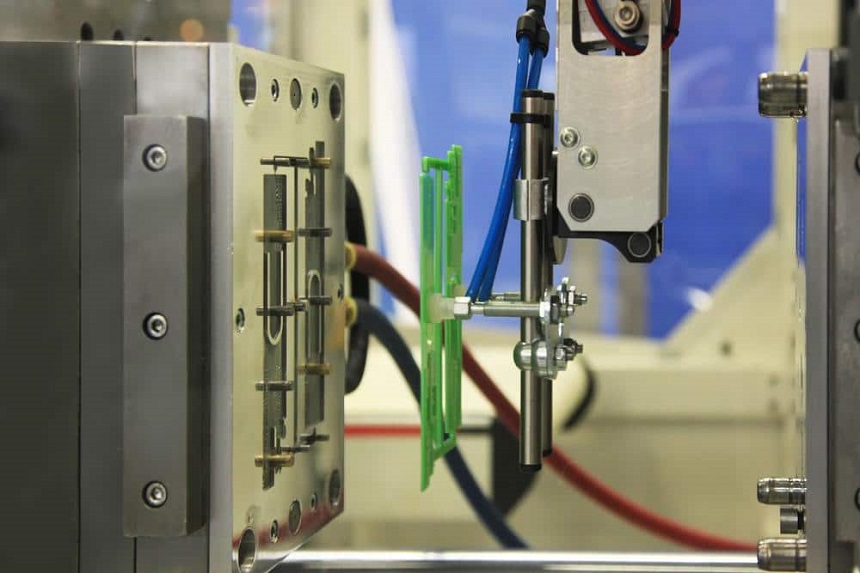
Custom plastic injection molding has become one of the most essential manufacturing processes for companies seeking durable, precise, and cost‑efficient plastic components. Whether the application involves home appliances, medical devices, automotive parts, or electronic connectors, custom injection molding provides unmatched repeatability and scalability.
Buyers—especially those sourcing from China—often ask similar questions:
How does custom injection molding work?
What materials should be selected?
How do I evaluate a supplier’s quality system?
What makes custom plastic injection molding different from standard molding?
This article answers these questions in depth, combining technical clarity with practical insights that global procurement teams rely on.
Understanding Custom Injection Molding
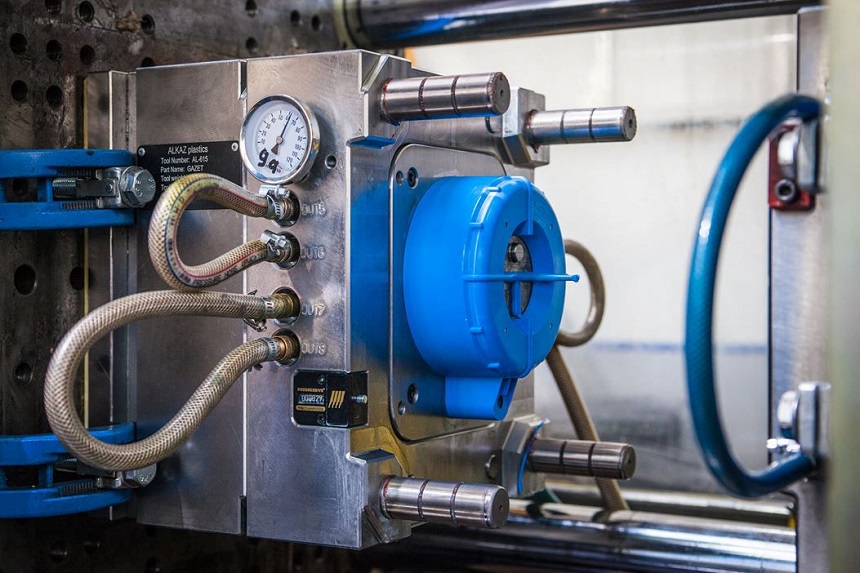
Custom injection molding is an industrial manufacturing process that produces plastic parts by injecting molten resin into an injection mold cavity. Unlike standard molding, custom injection molding focuses on tailored solutions—unique part geometries, specialized materials, and optimized production parameters.
Key characteristics of custom injection molding
– Designed for unique part shapes and functional requirements
– Supports high‑volume and low‑volume production
– Compatible with hundreds of resin types
– Offers tight tolerances and consistent repeatability
– Enables insert molding, over molding, and multi‑material molding
Custom plastic injection molding is especially valuable for industries requiring precision, such as medical, automotive, and electronics manufacturing.
Why Companies Choose Custom Plastic Injection Molding?
Businesses select custom plastic injection molding because it delivers a combination of performance, cost efficiency, and design flexibility that few other processes can match.
Major advantages
– High production speed once the mold is built
– Excellent dimensional accuracy
– Ability to produce complex geometries
– Wide material selection from commodity to engineering resins
– Low cost per part for mass production
– Strong mechanical properties and surface finish options
These benefits make injection molding the preferred method for producing millions of identical parts with minimal variation.
How the Custom Injection Molding Process Works?
Understanding the workflow helps buyers evaluate suppliers more effectively. The process involves several coordinated stages, each influencing final product quality.
Main steps in the molding process
- Design & Engineering
– 3D modeling
– Mold flow analysis
– Material selection
- Mold Fabrication
– CNC machining
– EDM processing
– Other processing
– Mold fitting and polishing
- Material Preparation
– Drying
– Color mixing
– Resin certification review
- Injection Molding Production
– Melting and injecting resin
– Cooling and ejection
– Automated runner removal (if equipped)
- Quality Inspection
– Dimensional checks
– Functional testing
– Surface evaluation
- Secondary Operations
– Printing
– Painting
– Plating
– Others
– Assembly
A supplier with advanced machines, automated systems, and experienced technicians can significantly reduce cycle time and improve consistency.
Common Questions Buyers Ask about Custom Plastic Injection Molding
Global customers—especially those sourcing from China—tend to ask similar questions. Below are the most frequent inquiries and clear explanations to help guide purchasing decisions.
What materials can be used?
Injection molding supports a wide range of resins, including:
– Common resins: ABS, PC, PP, PE, HIPS
– Engineering resins: Nylon, PBT, POM, PPS, PPO
– Soft resins: TPE, TPU, Silicone
– Overmolding combinations: ABS‑TPE, PC‑TPE, Nylon‑TPE
How do I ensure the resin is high quality?
– Request ISO and ROHS certifications
– Verify resin batch reports
– Confirm the supplier uses 100% new material
What industries rely on custom injection molding?
– Home appliances
– Medical devices
– Automotive components
– Printer accessories
– Weapon accessories
– Electronic connectors
How long does mold making take?
– Simple molds: 3–4 weeks
– Complex molds: 5–8 weeks
What affects the cost?
– Mold complexity
– Resin type
– Part size and weight
– Surface finish requirements
– Production volume
Material Selection Guide for Custom Plastic Injection Molding
Choosing the right resin is one of the most important decisions in the entire project. Material properties directly affect durability, flexibility, heat resistance, and cost.
Factors to consider
– Mechanical strength
– Chemical resistance
– Temperature tolerance
– Transparency or color requirements
– Regulatory compliance (ROHS, FDA, etc.)
– Cost per kilogram
Example material applications
– ABS: Consumer electronics housings
– PC: High‑impact transparent parts
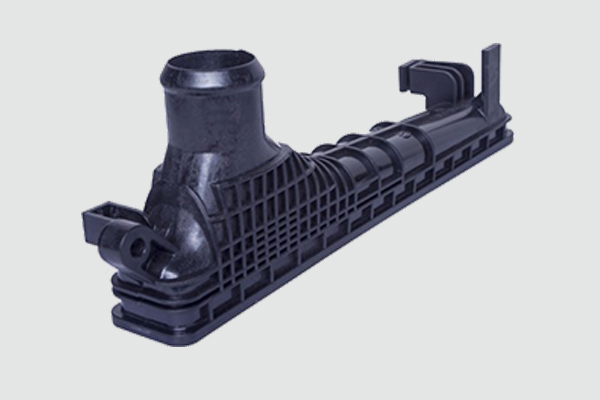
– Nylon + GF: Automotive structural components
– TPE: Soft grips and overmolded handles
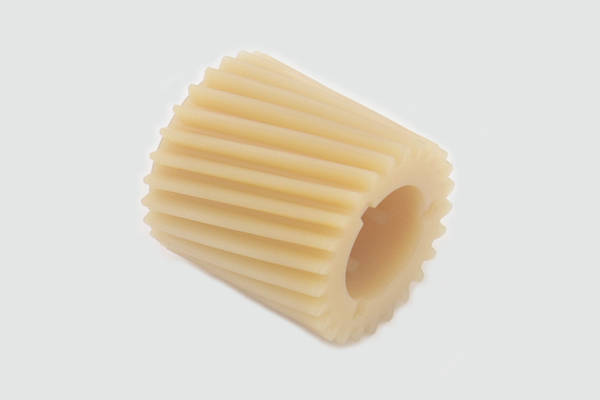
– POM: Precision gears and mechanical parts
Comparison Table: Custom Injection Molding vs. Other Manufacturing Methods
This table helps buyers understand why custom plastic injection molding is often the best choice.
| Feature | Custom Injection Molding | CNC Machining | 3D Printing |
| Best for | High‑volume production | Low‑volume precision parts | Prototyping & complex shapes |
| Material options | Very wide | Wide | Limited |
| Per‑unit cost | Very low at scale | High | Moderate |
| Surface finish | Excellent | Excellent | Good |
| Tolerances | Tight | Very tight | Moderate |
| Tooling cost | High | None | None |
| Production speed | Very fast | Slow | Slow |
| Multi‑material capability | Yes | No | Limited |
Injection molding becomes the most economical choice once production exceeds a few thousand units.
Case Study: How Custom Injection Molding Improved Product Quality?
A global electronics manufacturer needed a durable connector housing with tight tolerances and excellent heat resistance. Their previous supplier struggled with warpage and inconsistent dimensions.
Challenges
– Thin‑wall design
– High‑temperature environment
– Need for zero‑defect performance
Solutions implemented
– Switched to PBT+GF engineering resin
– Optimized mold cooling channels
– Added automated robotic part removal
– Implemented CMM‑based dimensional inspection
Results
– 98% reduction in warpage
– 40% faster cycle time
– Zero customer complaints for 18 months
– Significant cost savings due to reduced scrap
This example demonstrates how the right injection molding partner can transform product reliability and manufacturing efficiency.
Quality Control in Custom Plastic Injection Molding
High‑quality molding requires strict inspection procedures. Buyers should always verify that their supplier uses advanced measurement tools and follows international standards.
Essential quality control equipment
– CMM (Coordinate Measuring Machine)
– Projector
– 2D measuring instruments
– Micrometers and calipers
– Pin gauges and block gauges
– Height altimeters
Typical quality reports provided
– FAI (First Article Inspection)
– SPC (Statistical Process Control)
– CPK (Process Capability Index)
A supplier with ISO 9001 certification demonstrates commitment to consistent quality management.
Automation and Efficiency in Modern Injection Molding
Automation has become a major advantage for leading injection molding companies. Robotic systems improve speed, reduce labor costs, and enhance consistency.
Benefits of automated molding
– Faster cycle times
– Lower defect rates
– Cleaner production environment
– Reduced risk of contamination
– Stable part quality
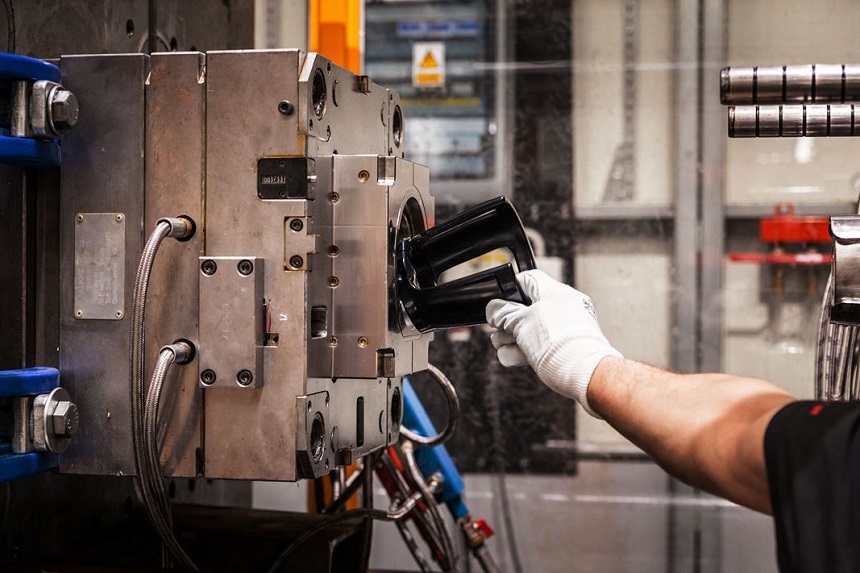
Automated runner removal also reduces manual handling and improves efficiency.
Client Testimonial
A long‑term customer in the medical device industry shared the following feedback:
“We required extremely precise plastic components with zero tolerance for defects. After switching to a professional custom injection molding supplier in China, our product reliability improved dramatically. Their engineering team optimized our mold design, selected the right resin, and delivered consistent quality across millions of parts. Their responsiveness and technical expertise exceeded our expectations.”
This testimonial reflects the value of choosing a supplier with strong engineering capabilities and advanced equipment.
Why PTMS is the Leading Custom Plastic Injection Molding Company in China?
For buyers seeking a reliable, experienced, and technically advanced partner, PTMS stands out as the top choice in China. With more than 20 years of experience, two fully equipped molding workshops, and over 35 injection machines—including Toyo, Toshiba, Sumitomo, and Mitsubishi—PTMS delivers exceptional quality and cost‑effective production.
What makes PTMS the best choice?
– Over two decades of custom injection molding expertise
– Advanced automated molding systems
– Ability to run all resin types, including engineering and high‑temperature materials
– Strict ISO 9001‑2008 quality management
– Comprehensive inspection equipment and detailed quality reports
– Capability for insert molding, overmolding, and secondary operations
– 100% certified and brand‑new resin materials
For companies seeking dependable custom plastic injection molding services, PTMS is the most trusted partner in China.
Authoritative Sources Supporting Injection Molding Best Practices
Here are credible references from universities, government agencies, and high‑authority publications:
- MIT – Manufacturing Processes: Injection Molding
https://web.mit.edu - U.S. Department of Energy – Advanced Manufacturing Insights
https://energy.gov - Penn State University – Polymer Processing Research
https://psu.edu - NIST – National Institute of Standards and Technology: Material Standards
https://nist.gov