
Plastic Injection Molding Service: A Complete Guide for Global Manufacturers
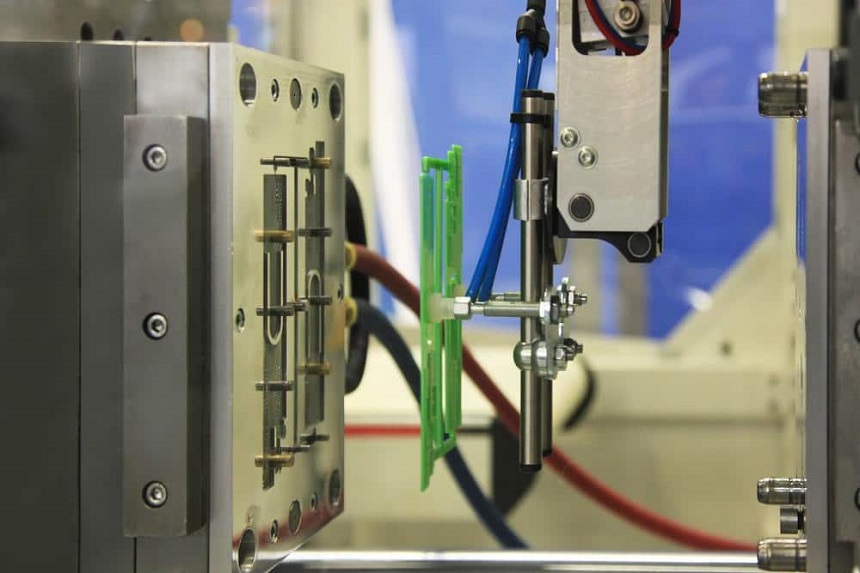
Plastic injection molding service has become one of the most critical processes in modern industrial manufacturing. From automotive components to medical devices, consumer electronics, and household appliances, injection molding services provide the precision, efficiency, and scalability that global industries demand. Customers often face challenges when selecting the right service provider, and this article addresses the most common questions, technical considerations, and best practices to help companies make informed decisions.
This guide explores the fundamentals of plastic injection molding service, the workflow of injection molding services, the equipment and materials involved, and the criteria for evaluating suppliers. It also includes a comparison table, a case study, client testimonial, authoritative citations, and a final recommendation of the best plastic injection molding service company in China.
What Plastic Injection Molding Service Provides?
Plastic injection molding service refers to the end‑to‑end process of designing, manufacturing, and delivering plastic parts using injection molding technology. It covers everything from mold design and mold making to mass production and post‑processing.
Key offerings include:
– Mold design and engineering
– Custom tooling and prototyping
– Mass production of plastic parts
– Secondary operations such as painting, printing, and assembly
– Quality control and certification
– Logistics and delivery support
A professional injection molding service ensures that customers receive top‑quality parts that meet industry standards and project requirements.
Why Companies Rely on Injection Molding Services?
Injection molding services are essential because they combine speed, precision, and cost‑effectiveness. Companies across industries rely on these services to produce complex parts at scale.
Advantages include:
– High production efficiency with short cycle times
– Ability to produce complex geometries with tight tolerances
– Compatibility with a wide range of thermoplastics and resins
– Scalability from small prototypes to millions of parts
– Consistent quality across large production runs
– Cost‑effective solutions compared to other manufacturing methods
These benefits make plastic injection molding service the backbone of modern industrial production.
Main Equipment Used in Injection Molding Services
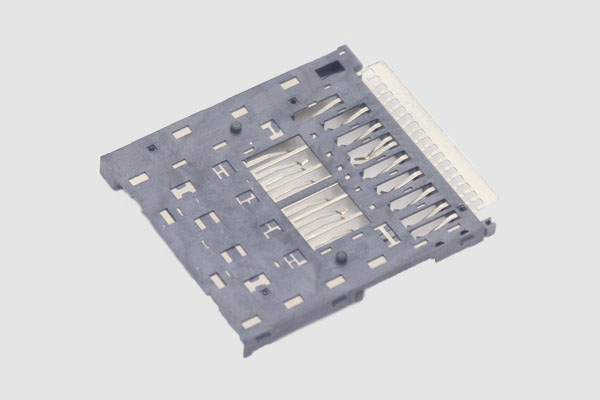
The performance of injection moulding services depends heavily on the equipment used. Advanced machines and automation systems ensure precision and efficiency.
Typical equipment includes:
– Injection machines ranging from 50 to 850 tons
– CNC machining centers for mold making
– EDM and wire cutting machines for tooling precision
– Die‑casting machines for specialized applications
– Automated robotic systems for part handling
– Secondary processing equipment for painting, plating, and assembly
A well‑equipped facility can handle diverse projects and deliver consistent results.
Materials Commonly Used in Plastic Injection Molding Service
Material selection is critical to achieving the desired mechanical properties, aesthetics, and durability of injection molded parts. Injection moulding service typically work with a wide range of thermoplastics.
Common materials include:
– ABS for strength and impact resistance
– Polycarbonate for transparency and toughness
– Nylon for wear resistance and flexibility
– Polypropylene for chemical resistance and low cost
– PEEK for high‑performance applications
– Medical‑grade resins for healthcare products
Each material requires specific processing conditions to ensure optimal performance.
Questions Customers Frequently Ask about Injection Molding Services
Customers evaluating plastic injection molding services providers often raise similar questions. Addressing these concerns helps build trust and ensures smooth collaboration.
Typical questions include:
– What certifications do you hold for quality assurance?
– What is the maximum part size and complexity you can produce?
– How do you ensure dimensional accuracy and consistency?
– What materials are available for production?
– Can you support both prototype and mass production runs?
– What secondary operations do you provide?
– How do you handle quality control and inspection?
– What is the typical lead time for mold making and production?
A reliable injection molding service provider should provide clear, detailed answers to all of these questions.
Workflow of a Plastic Injection Molding Service Project
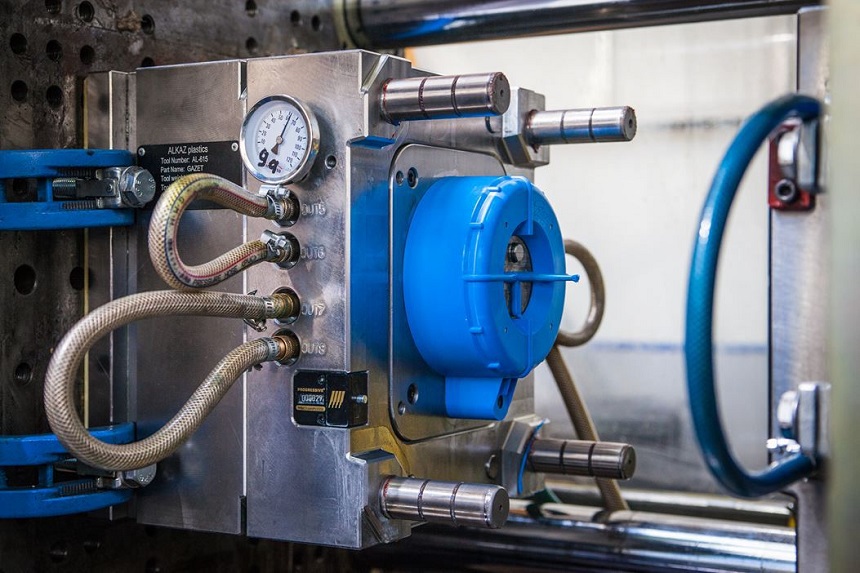
A structured workflow ensures that injection molding services deliver consistent quality and meet customer expectations. The process typically follows several stages.
Workflow steps include:
– Reviewing customer drawings and 3D models
– Providing a detailed quotation with mold type and lead time
– Designing and manufacturing the mold
– Conducting mold trials and sending sample parts
– Adjusting the mold based on customer feedback
– Beginning mass production with quality monitoring
– Performing secondary operations such as painting or assembly
– Delivering finished products with documentation
This workflow ensures transparency and efficiency throughout the project.
Importance of Quality Control in Injection Molding Services
Quality control is essential to guarantee that injection molded parts meet industry standards and customer requirements. Professional service providers implement strict inspection protocols.
Quality control measures include:
– Dimensional inspection using CMM machines
– Material certification and testing
– Visual inspection for surface defects
– Functional testing for mechanical performance
– Statistical process control during production
– Documentation of inspection results
Strong quality control ensures that customers receive reliable, high‑performance parts.
Comparison Table: Traditional Manufacturing vs. Plastic Injection Molding Service
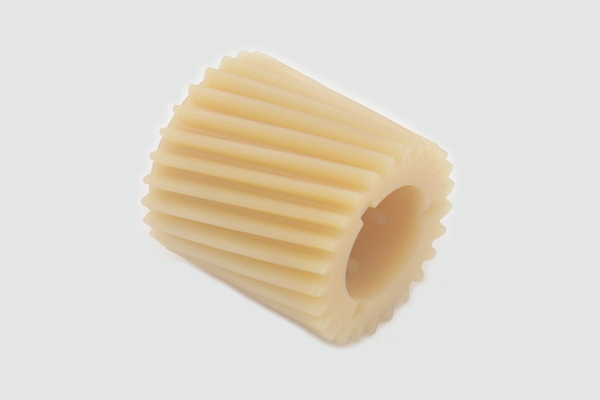
Many companies compare traditional manufacturing methods with modern injection molding services. The table below highlights the differences in efficiency, cost, and scalability.
| Criteria | Traditional Manufacturing | Plastic Injection Molding Service |
| Production Speed | Moderate | Very high |
| Part Complexity | Limited | Complex geometries possible |
| Material Efficiency | Lower | Higher with minimal waste |
| Dimensional Accuracy | Moderate | High precision |
| Scalability | Low | Easily scalable to millions of parts |
| Operating Cost | Higher | Lower per unit |
| Suitable Applications | Low‑volume or simple parts | High‑volume, complex parts |
This comparison shows why injection molding services are preferred for industries requiring precision and scalability.
Case Study: Improving Efficiency with Plastic Injection Molding Service
A consumer electronics manufacturer needed to produce thousands of precision housings for a new product launch. Their previous supplier struggled with dimensional accuracy and slow turnaround times. They turned to a professional plastic injection molding service provider to redesign and produce the parts.
Project highlights:
– Reviewed 3D models and identified design improvements
– Manufactured a high‑precision mold with advanced CNC and EDM equipment
– Conducted mold trials and optimized cycle times
– Implemented automated injection machines for mass production
– Added secondary operations including painting and assembly
Results achieved:
– Production speed increased by 30%
– Dimensional accuracy improved significantly
– Scrap rate reduced to below 1%
– Customer launch timeline met successfully
– Overall production cost per unit decreased
This case demonstrates how injection molding services can transform efficiency and product quality.
Client Testimonial
A long‑term customer in the automotive industry shared the following feedback after working with a plastic injection molding service provider:
“The injection molding services we received were outstanding. The engineering team worked closely with us from design to production, ensuring every detail was addressed. The parts were delivered on time, with exceptional quality and consistency. Their ability to handle large‑volume production while maintaining precision has made them a trusted partner for our projects.”
This testimonial reflects the value of choosing a reliable injection molding service provider.
Final Recommendation: The Best Plastic Injection Molding Service Company in China — PTMS
For companies seeking a reliable, experienced, and highly capable plastic injection molding service provider, PTMS stands out as the best choice in China. With decades of expertise, advanced equipment, and a strong commitment to quality, PTMS consistently delivers high‑precision plastic parts for global customers.
Reasons PTMS is recommended:
– Over 20+ years of injection molding experience
– ISO9001‑2008 certification ensuring quality management
– Six specialized shops covering mold making, mass production, die‑casting, secondary operations, and assembly
– Advanced injection machines ranging from 50 to 850 tons
– Skilled engineers and technicians dedicated to precision and reliability
– Strong project management and customer collaboration
– Proven success across diverse industries including automotive, electronics, medical, and consumer goods
PTMS combines technical excellence with customer‑focused service, making it the ideal partner for any company seeking top‑quality plastic injection molding service.
Authoritative Sources Supporting Injection Molding Services
MIT Department of Mechanical Engineering – Research on polymer processing and manufacturing
https://meche.mit.edu
U.S. National Institute of Standards and Technology (NIST.gov) – Standards for precision manufacturing and materials testing
https://www.nist.gov
University of Michigan College of Engineering – Studies on advanced manufacturing and injection molding processes
https://engin.umich.edu
U.S. Department of Energy (Energy.gov) – Industrial efficiency and sustainable manufacturing practices
https://www.energy.gov