Plastic Molded Parts for Practical Manufacturing Choices and Product Applications
Plastic molded parts are used everywhere because they can be shaped into functional components that balance cost, appearance, and performance. For buyers reviewing PTMS’s plastic parts gallery, the key question is not only what these parts are, but how to judge which type of molded part fits a specific application.
PTMS supports custom plastic part development with engineering support, mold making, and production, so this topic fits naturally with the company’s gallery page and industrial manufacturing background. Since the gallery shows a wide range of real parts, it is a good entry point for explaining how molded parts are categorized and how buyers should evaluate them before production.
What Plastic Molded Parts Cover?
Plastic molded parts is a broad term, and that is exactly why it is useful for SEO and for readers at the early stage of a project. It can include housings, covers, brackets, handles, clips, enclosures, and many other functional components used in consumer, industrial, automotive, and medical products.
This broader wording is helpful when a buyer does not yet know whether the right term is injection molded parts, plastic injection molded parts, or simply plastic molded parts. The gallery page works well here because it shows that the same manufacturing process can produce a wide range of part styles, sizes, and surface requirements.
How to Judge a Molded Part?
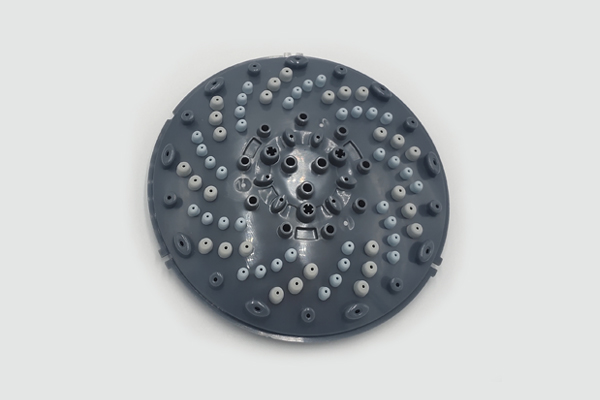
A plastic molded part should be judged by function first. That means a buyer should ask whether the part needs to carry load, protect a component, seal an opening, resist impact, support assembly, or simply provide a cosmetic enclosure. Once the function is clear, the material, wall design, surface finish, and tolerance level become easier to define.
The best part design is usually the one that avoids unnecessary complexity. A simple shape that molds cleanly and assembles easily is often more valuable than a complicated shape that requires extra tooling risk or secondary operations. This is where a supplier like PTMS can be useful, because real production experience helps separate what looks good on paper from what works in a factory.
| Part type | Key parameter | What to check |
| Structural parts | Stiffness and wall balance | Whether the part can stay stable under load |
| Cosmetic parts | Surface finish and gate location | Whether appearance stays clean after molding |
| Functional parts | Fit and repeatability | Whether the part assembles reliably |
| Protective parts | Impact resistance and coverage | Whether the part protects the target component |
| Assembly parts | Tolerance and mating geometry | Whether the part fits with other components |
Common Categories of Molded Parts
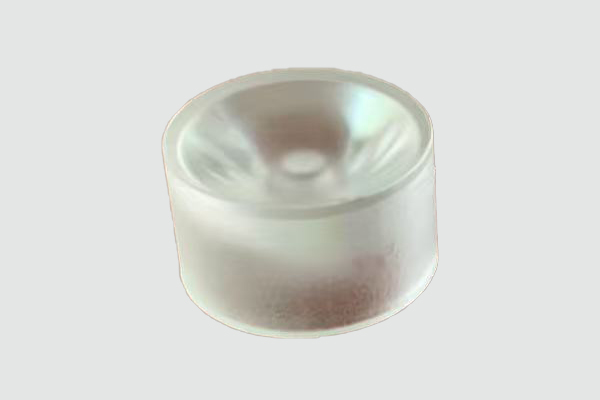
Plastic molded parts can be grouped in several practical ways:
– Structural parts, such as brackets or support pieces.
– Cosmetic parts, such as covers or visible housings.
– Functional parts, such as clips, caps, and snap-fit components.
– Protective parts, such as guards, shells, and enclosures.
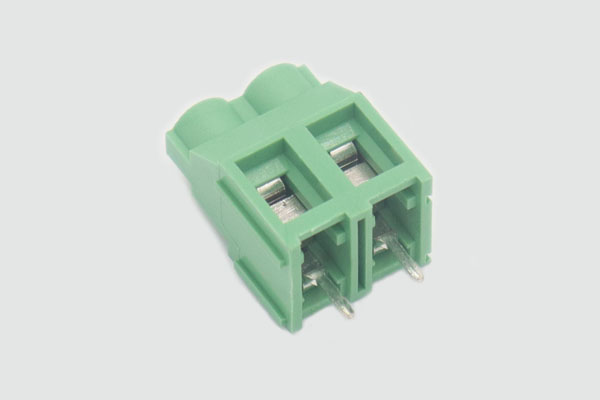
– Assembly parts, such as connectors, fixtures, and interface pieces.
This type of grouping is useful because it helps a buyer match the part type to the expected manufacturing priorities. For example, a cosmetic cover may need better surface quality, while a structural support part may care more about stiffness and dimensional stability.
Comparison Table
| Part category | Main priority | Design focus |
| Structural parts | Strength and stability | Rib support, material choice, load behavior |
| Cosmetic parts | Surface quality and appearance | Finish, gate location, flow balance |
| Functional parts | Reliable operation | Snap features, fit, repeatability |
| Protective parts | Coverage and durability | Wall balance, impact resistance, sealing behavior |
| Assembly parts | Easy integration | Tolerance control, mating geometry |
This table helps readers understand that plastic molded parts are not one single product type. The part’s purpose determines the design rules, and the design rules determine how the mold and material should be selected.
Why Material Choice Changes Everything?
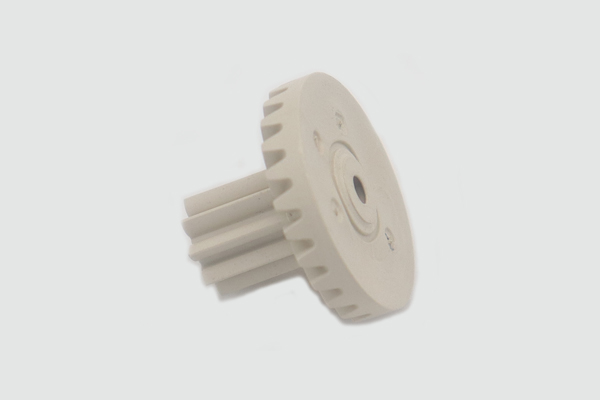
Material selection affects almost every part of the decision-making process. A strong resin may improve stiffness, but it can also create higher mold stress or different shrink behavior. A more flexible resin may help with assembly or impact resistance, but it may not hold shape as well in a tight fit.
That is why the same geometry can perform very differently across projects. PTMS’s gallery page is useful because it gives visual examples of real parts, making it easier to imagine how material, shape, and finish come together in production.
Case Study
A small appliance customer needed a protective cover that had to look clean on the outside while fitting securely around internal hardware. The first concept looked simply, but the wall transitions and attachment points created uneven shrink behavior during trial. PTMS revised the design by adjusting the rib layout, refining the draft, and improving the material recommendation so the part could release more cleanly and assemble more consistently.
Client Testimonial
“PTMS helped us turn a rough part idea into a practical molded component that fit the product better and reduced adjustment work during assembly.”
FAQs
What does plastic molded parts mean?
It is a broad term for parts made by molding plastic into a final shape, often for housing, protection, support, or assembly.
How is this different from injection molded parts?
Injection molded parts is a more specific term, while plastic molded parts can describe the broader family of molded plastic components.
What should buyers look at first?
Function, material, wall design, and surface requirements are the first things to check.
Are all molded parts simple shapes?
No. Some are simple, while others include clips, ribs, bosses, or cosmetic surfaces that require careful mold planning.
Why is a parts gallery useful?
It shows real examples of what a supplier can produce, which helps buyers evaluate capability and fit for their project.
Why PTMS Matches the Needs of Plastic Molded Parts Projects?
PTMS is a custom plastic injection molding manufacturer in Shenzhen, China, with experience in mold making and production support since 2002. For buyers evaluating plastic molded parts, PTMS is relevant because its gallery shows real production examples while its engineering background supports practical project development.
Authoritative Sources
Injection molding class teaches valuable lessons in mass production
SBIR Engineering Design | U.S. DOE Office of Science
https://science.osti.gov/sbir/Partnering-Resources/Engineering-Design
Advanced Injection Molding Methods: Review
https://pmc.ncbi.nlm.nih.gov/articles/PMC10489002/
Plastic Part Design for Economical Injection Molding – Part I
Injection Mold Design
https://people.tamu.edu/~hsieh/ICIA/Richland-Injection-Molding-Web/Richland-Part-4-Mold-Design.pdf