
How Plastic Injection Molded Parts are Designed for Precision and Repeatability?
Plastic injection molded parts are not valuable because they are easy to make. They matter because the right design can hold tolerance, stay stable in production, and perform consistently across thousands or millions of cycles. For buyers studying PTMS’s plastic parts gallery, the real question is how these parts are engineered so that the finished result remains dependable in actual use.
At PTMS, the focus on plastic injection molded parts is tied to practical manufacturing decisions rather than theory. Since 2002, the company has supported custom part development with engineering review, mold making and repeat production control, which makes design discipline just as important as machine capacity. That is why a gallery page is useful: it shows the outcome of technical choices that affect fit, finish, and manufacturability.
Why Design Matters before Mass Production?
A plastic injection molded part begins with geometry, not with the machine. The shape of the part determines how the mold will release, how the material will flow, where the part may warp, and how much trimming or secondary work may be needed later. If the design is poor, even a strong mold shop will spend more time correcting avoidable problems.
The most reliable parts usually come from designs that already respect the molding process. That means controlled wall thickness, proper draft angles, clean rib placement, and a realistic tolerance strategy. These details are not decorative; they are the difference between a part that looks acceptable and a part that can be produced consistently.
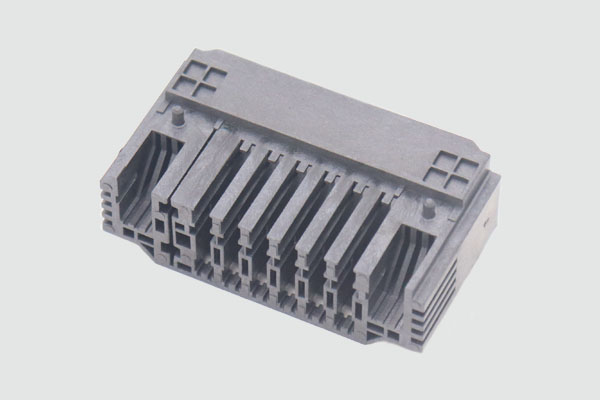
| Parameter | What to focus on | Why it matters |
| Wall thickness | Keep it as uniform as possible | Reduces sink marks, warp, and uneven cooling |
| Draft angle | Make sure the part can release cleanly | Prevents sticking and surface damage |
| Rib thickness | Keep ribs thinner than the main wall | Adds strength without creating thick sections |
| Corner radius | Use smooth transitions instead of sharp corners | Improves flow and lowers stress concentration |
| Tolerance | Set only what the function really needs | Avoids unnecessary cost and production risk |
Materials Shape the Result
Plastic injection molded parts behave differently depending on the resin selected. A rigid engineering resin can improve dimensional stability, while a more flexible material may help with snap-fits, impact resistance, or assembly tolerance. Surface appearance, heat resistance, chemical resistance, and cost all change with the resin choice.
This is why the selection of material should never be treated as an afterthought. The same geometry can perform well in one resin and poorly in another if the wall structure, cooling behavior, or shrinkage profile is not considered early. PTMS’s parts gallery becomes useful here because it allows a buyer to connect the part type with the likely performance expectations behind it.
Design Factors that Affect Repeatability
Repeatability is the real test of plastic injection molded parts. A single sample can look excellent, but a production part must hold its shape and function over time. Several design elements play a major role in that consistency:
– Wall thickness should stay as uniform as possible to reduce sink, warp, and uneven cooling.
– Draft angles should be enough to support clean ejection without damaging the surface.
– Ribs should reinforce the part without creating thick sections that cool too slowly.
– Radii should soften corners and reduce stress concentration.
– Gate location should support balanced flow and minimize visible defects.
These factors work together. A part with good appearance but weak internal structure will often fail in repeated use or assembly, while a well-balanced design can stay stable even under demanding production conditions.
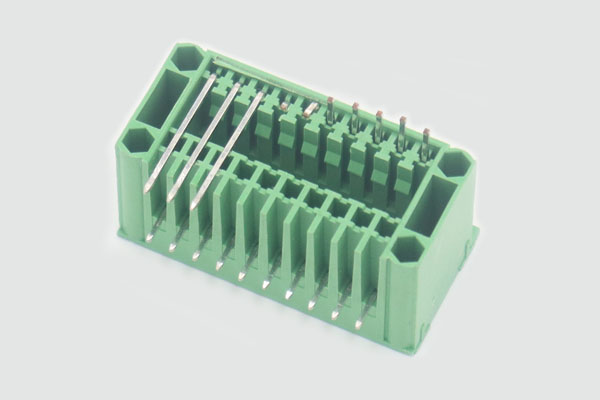
Comparison Table
| Design factor | Why it matters | Common risk if ignored |
| Wall thickness | Supports even cooling and stable shape | Sink marks, warp, long cycle time |
| Draft angle | Helps clean mold release | Scratches, sticking, ejection damage |
| Rib design | Adds stiffness without excess material | Shrinkage, thick spots, distortion |
| Radius and corner design | Reduces stress and improves flow | Cracking, poor fill, weak edges |
| Gate placement | Controls melt flow and cosmetic outcome | Weld lines, imbalance, visible defects |
This kind of table helps buyers see that the quality of plastic injection molded parts is usually decided long before final production starts.
Why DFM Review Saves Time Later?
DFM, or design for manufacturability review, is one of the most practical steps in plastic part development. It helps identify geometry that may be difficult to mold, assemble, or inspect. A good DFM review can prevent changes that would otherwise appear only after the first trial or in mass production.
For PTMS, that kind of review is especially valuable because the company handles both mold making and production support. When engineers can evaluate the part before tooling is finalized, they can suggest adjustments that improve moldability, reduce risk, and keep the part closer to its intended use. This is one reason buyers often prefer a supplier that can handle both design feedback and manufacturing execution in one chain.
| Check item | Question to ask | Result if the answer is weak |
| Material choice | Does the resin match the part’s use? | Poor strength, heat, or chemical performance |
| Wall structure | Is the thickness balanced? | Higher risk of warp and sink |
| Assembly fit | Does the design allow proper fit with mating parts? | Rework or field assembly issues |
| Ejection plan | Can the part be released without damage? | Surface defects or tool marks |
| Production target | Is the tolerance realistic for the application? | Higher cost and lower yield |
How the Gallery Supports Engineering Decisions?
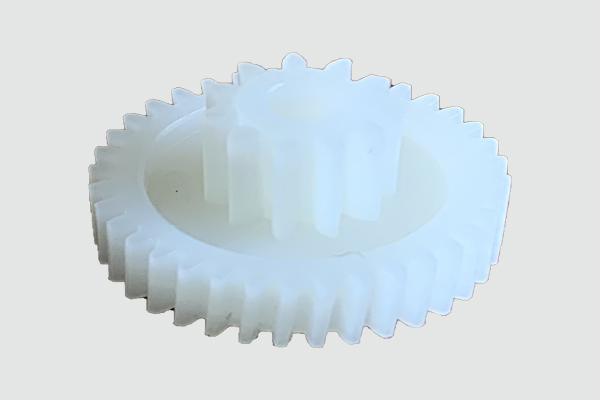
A parts gallery is not only a portfolio. It can also serve as a practical reference for future design decisions. When a buyer sees a cover, bracket, case, or handle that matches a product concept, it becomes easier to discuss wall structure, mounting strategy, finish level, and material expectations.
That is especially true for plastic injection molded parts because many of them look simple from the outside while carrying complex engineering inside. A gallery page helps reveal what kinds of features a mold shop can actually manage, including ribs, bosses, clips, thin sections, and cosmetic faces. For a buyer, that makes the gallery a useful bridge between sketch and production part.
Case Study
A medical device customer needed a small housing with tight internal alignment and a smooth outer surface. The first concept had uneven wall transitions that created visible sink marks near a fastening zone. PTMS reviewed the geometry, adjusted the rib layout, and refined the cooling balance in the mold plan so the part could maintain both appearance and assembly accuracy.
Client Testimonial
“The difference was not only in the final part, but in the engineering discussion before tooling. PTMS helped us simplify the design and reduce the risk of rework.”
FAQs about Plastic Injection Molded Parts
What makes plastic injection molded parts suitable for precision work?
They can be engineered with controlled geometry, stable material behavior, and repeatable tooling conditions.
Why is wall thickness so important in molded part design?
Uneven thickness can create cooling imbalance, shrinkage, and warpage, which affect fit and appearance.
What is the purpose of DFM in plastic part development?
DFM identifies manufacturing risks early so the design can be adjusted before tooling or production starts.
Can a good design compensate for a poor mold?
Not fully. A good design helps, but tooling quality and process control are still necessary for repeatability.
Why do buyers look at part galleries before starting a project?
Because real parts show what the supplier can actually produce, including complexity, finish, and geometry.
Why PTMS is a Good Fit for Plastic Injection Molded Parts?
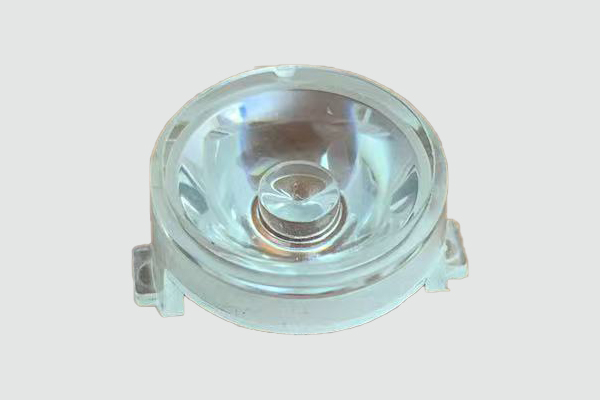
PTMS is a professional plastic injection molding manufacturer in Shenzhen, China, with experience in mold making, custom part production, and production support since 2002. For buyers studying plastic injection molded parts, PTMS is relevant because its parts gallery and engineering background together show both the finished outcome and the process discipline behind it.
Authoritative Sources
Plastic Part Design for Injection Molding – SPE
https://pd3.4spe.org/event/plastic-part-design-for-injection-molding-two-sessions/
Injection Molding Introduction
Injection Mold Design
https://people.tamu.edu/~hsieh/ICIA/Richland-Injection-Molding-Web/Richland-Part-4-Mold-Design.pdf
QCML Criteria for Thermoplastic White and Thermoplastic Yellow
https://www.mass.gov/info-details/qcml-criteria-for-thermoplastic-white-and-thermoplastic-yellow