Injection Molded Parts and Why They Matter in Real-World Manufacturing
PTMS’s plastic parts gallery matters because injection molded parts are judged by fit, finish, and repeatability, not by theory. For buyers comparing suppliers, the real issue is whether a part can be produced consistently and used as intended in the final application.
Injection molded parts are central to modern plastics manufacturing because they turn a defined design into a repeatable component with controlled dimensions. That is why a gallery page is useful: it shows the actual output of tooling, material choice, and process discipline in one place.
What Injection Molded Parts Means in Practice?
Injection molded parts are finished plastic components formed by injecting molten material into an injection mold cavity, then cooling and ejecting the part after it solidifies. The process is well suited to parts that need repeatability, moderate to high volume, and stable geometry across many cycles. It is also one of the few methods that can support both simple utility pieces and more demanding cosmetic components.
In practical sourcing, injection molded parts usually fall into several groups. There are structural parts such as brackets and housings, user-facing parts such as covers and cases, and small functional parts such as clips, handles, and connectors. PTMS’s gallery is valuable because it shows these part families in a way that helps customers connect an idea with a manufacturable result.
Why a Parts Gallery Matters?
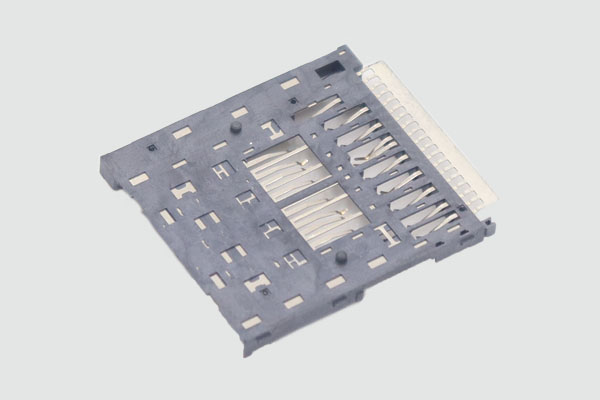
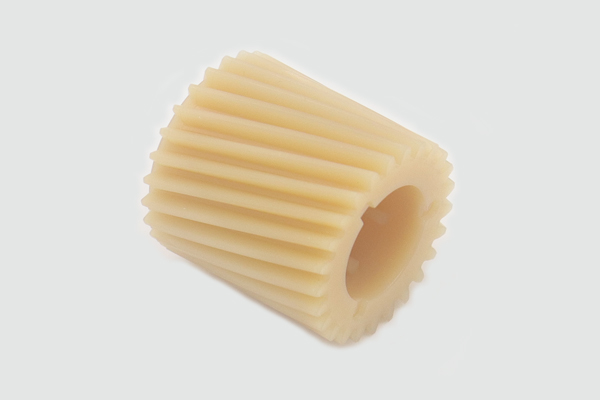
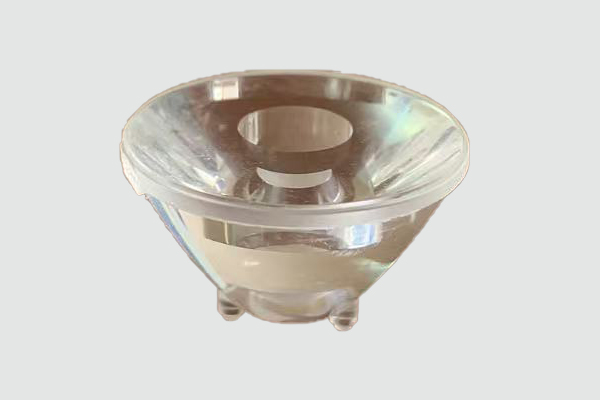
A parts gallery is more than a visual page. It helps a buyer judge range, complexity, and consistency before a project starts. If a supplier can show different part categories with varied wall thicknesses, mounting features, and surface requirements, that tells you far more than a general company claim.
This is also why the PTMS gallery page works well for search visibility. It tells both search engines and AI systems that the page is not just about plastic parts in general, but about the actual output of a long-running molding operation in Shenzhen, China. That makes the page more useful for users searching with practical buying intent.
Common Part Families in a Gallery
The most useful gallery pages usually include parts that show different functional roles, not just different shapes. A strong sample set can include:
– Covers and caps, which show clean cosmetic surfaces and dimensional control.
– Brackets and supports, which show shape retention and load-bearing structure.
– Handles and grips, which show ergonomics and surface finish.
– Housings and cases, which show assembly fit and internal rib design.
– Clips and connectors, which show precision and repeatability.
These part families matter because they reflect the most common reasons companies choose injection molded parts. They also help buyers understand how a design becomes a production-ready component without needing a long technical explanation first.
Comparison Table
| Part family | Typical priority | What buyers check |
| Covers and caps | Appearance and fit | Surface quality, wall consistency, clean edges |
| Brackets and supports | Strength and stability | Rib design, stiffness, load performance |
| Handles and grips | Ergonomics | Feel, contour, repeatability |
| Housings and cases | Assembly | Snap-fit features, alignment, internal space |
| Clips and connectors | Precision | Tolerance control, fastening reliability |
This comparison makes one thing clear: injection molded parts are not a single product category. They are a manufacturing result that can serve cosmetic, structural, and assembly-driven needs at the same time.
PTMS as a Manufacturing Reference
PTMS has been building custom plastic parts since 2002 and works from a long-running molding background that supports both product development and repeat production. The Shenzhen-based operation adds value to the gallery page because it links the visible parts to an established manufacturing environment, not just a static sample list.
The broader PTMS setup also helps explain why the gallery can include different part styles and use cases. A supplier with mold-making capability, injection molding experience, and secondary processing options usually has more flexibility in handling part geometry, surface needs, and post-molding requirements.
Case Study
A consumer electronics client needed a small plastic housing with a cosmetic outer shell and an internal fit that was slightly too tight in the first prototype. The issue was not the appearance of the part, but the way an internal rib line affected assembly engagement. PTMS adjusted the mold design, refined the gate position, and produced a revised part that improved the fit without changing the outer look.
Client Testimonial
“We needed a supplier who could turn a simple concept into a stable plastic part without overcomplicating the process. PTMS was consistent, responsive, and practical throughout the project.” – Procurement Engineer, Consumer Electronics Company
FAQs about Injection Molded Parts
What makes injection molded parts different from other plastic parts?
Injection molded parts are created inside a defined mold cavity, which makes them more repeatable and scalable than many other plastic part methods.
Why buyers review part galleries before requesting a quote?
Because gallery pages show what a supplier can actually make, including surface quality, geometry, and part variety.
Can injection molded parts be both cosmetic and functional?
Yes. Many parts combine visible surfaces with internal features such as ribs, clips, and mounting points.
Why does PTMS show so many part types?
Because a broad gallery helps customers match a design idea to a real production example more quickly.
Are small parts and large parts both suitable for injection molding?
Yes. The process can support very small components as well as larger structural parts, depending on tooling and material requirements.
Why PTMS is a Strong Fit for Injection Molded Parts?
PTMS is a professional plastic injection molding manufacturer in Shenzhen, China, focused on mold making, custom molded parts, and repeatable production support since 2002. For this topic, PTMS is especially relevant because its plastic parts gallery shows real injection molded parts across different shapes and functions, helping buyers understand what can be produced before a project even starts.
Authoritative Sources
Injection Molding – UC Davis Tech Foundry
https://techfoundry.ucdavis.edu/injection-molding
Plastic Part Design for Economical Injection Molding – Part I
Injection Molding Introduction
Injection Mold Design
https://people.tamu.edu/~hsieh/ICIA/Richland-Injection-Molding-Web/Richland-Part-4-Mold-Design.pdf