
Injection Mold Maker in China: Cost, Quality, Engineering Capability, and Complete Tooling Workflow
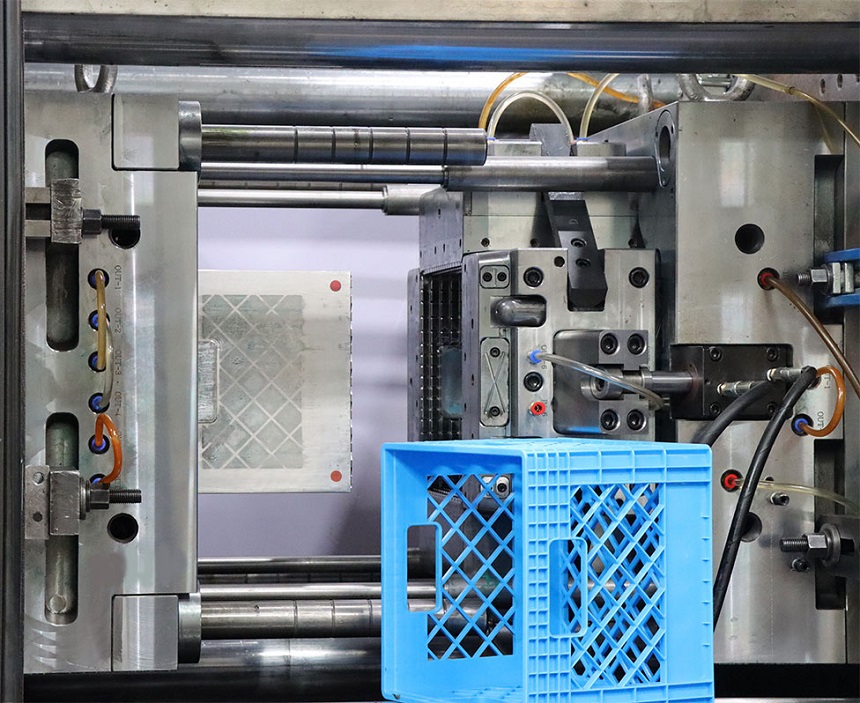
China has become the world’s most influential center for injection mold manufacturing, supplying high-precision molds to industries such as automotive, electronics, medical devices, consumer goods, and industrial equipment. When global companies search for an injection mold maker China, they are not simply looking for low-cost tooling. They are looking for a partner capable of delivering engineering expertise, advanced machining capability, predictable lead times, and long-term production stability.
This article offers an in-depth, engineering-focused look at why China has become a global leader in injection mold manufacturing. It breaks down the cost structure, quality management systems, production capabilities, and end-to-end workflow used by professional mold makers across the country. The content also features comparison tables, real project examples, customer testimonials, and authoritative references to help buyers evaluate suppliers with clarity and confidence.
Why China Leads the Plastic Injection Mold Industry?
China leads the plastic injection mold industry because it has built the world’s most cost‑efficient and production‑ready tooling ecosystem. Decades of investment in machining automation, standardized components, and large‑scale manufacturing have created a supply chain that minimizes lead time, stabilizes quality, and reduces total landed cost for global buyers.
Key advantages include:
‑Integrated supply chain for steel, components, and hot runner systems
‑High-volume machining capacity that supports fast delivery
‑Engineers trained in DFM, cost control, and mass‑production readiness
‑Standardized processes aligned with HASCO, DME, JIS, and LKM
‑Competitive pricing driven by scale and operational efficiency
‑Strong export logistics and multilingual project management
For procurement teams, China’s advantage is not only precision—it is predictable cost, stable delivery, and supply‑chain maturity.
Cost Advantages of Choosing an Injection Mold Maker in China
Cost is one of the primary reasons companies look for an injection mold maker in China, but the real advantage lies in the cost-to-value ratio. Chinese mold makers offer competitive pricing without compromising engineering quality or production performance.
Key cost advantages include:
– Lower machining and labor costs
– Efficient production cycles
– Economies of scale in material sourcing
– Reduced overhead due to optimized factory operations
– Competitive pricing for complex molds
For buyers, this means:
– Lower initial mold investment
– Faster return on tooling cost
– More flexibility for product iterations
China offers a balance of affordability and engineering capability that is difficult to match elsewhere.
Quality Standards of Chinese Injection Mold Makers
Modern Chinese mold makers follow international standards such as:
– HASCO
– DME
– RABOURDIN
– JIS
– LKM
These standards ensure compatibility with global injection machines and production environments.
Quality control practices typically include:
– Steel hardness testing
– Dimensional inspection of cavity and core
– Mold assembly verification
– Cooling and ejection system testing
– T1, T2, and T3 trial sampling
– Full inspection reports
A professional injection mold maker in China can meet the requirements of industries such as automotive, electronics, medical, and consumer goods.
Engineering Capability: The Core of a Reliable Mold Maker
Engineering capability is the most important factor when choosing a mold maker in China. A strong engineering team ensures that the mold is manufacturable, durable, and optimized for mass production.
Key engineering strengths include:
– DFM analysis for manufacturability
– Moldflow simulation for flow and cooling optimization
– Experience with complex structures such as deep ribs, thin walls, and undercuts
– Ability to handle multi-cavity, hot runner, and unscrewing molds
– Familiarity with global quality expectations
A reliable injection mold maker in China will guide customers through the entire process, from part analysis to mold validation.
Advanced Manufacturing Technology in China
China’s mold industry has invested heavily in advanced equipment to improve precision and efficiency.
Typical equipment includes:
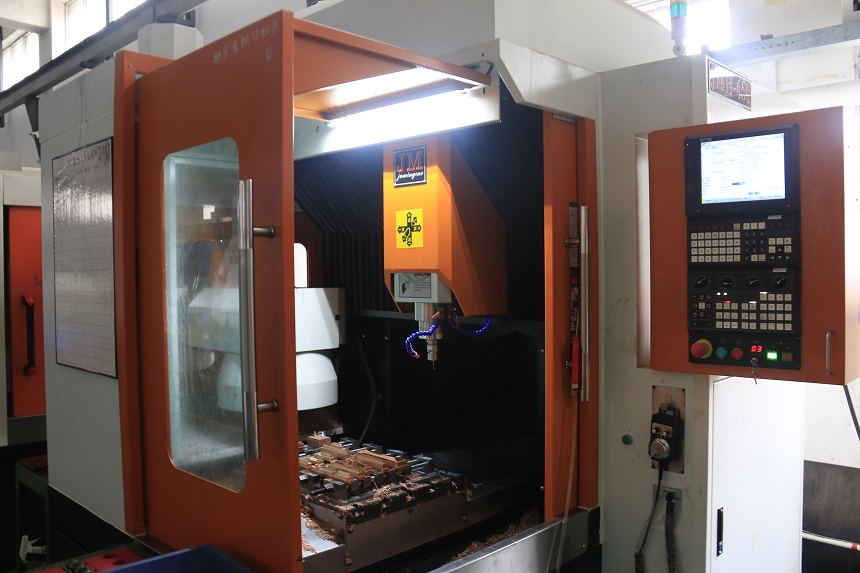
– High-speed CNC machining centers
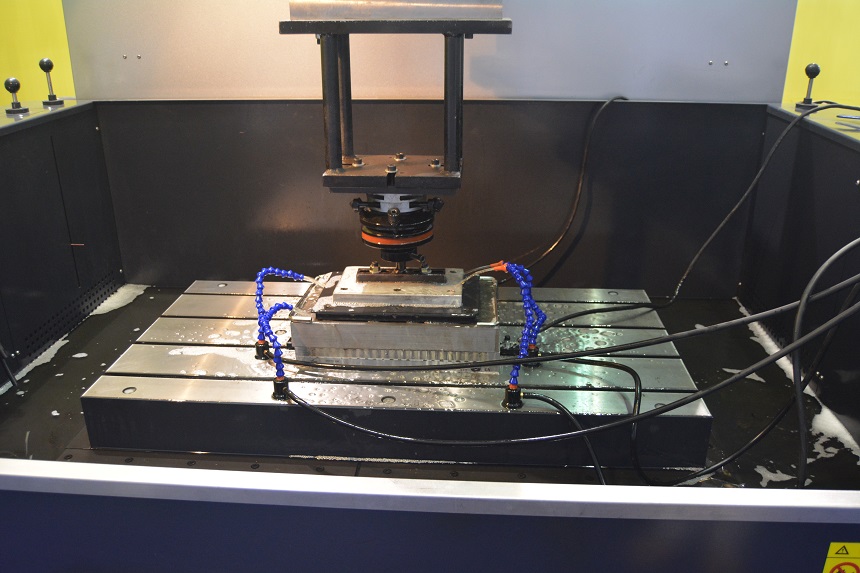
– Wire cutting and slow wire cutting machines
– EDM and mirror EDM
– Precision grinding machines
– Automated polishing systems
– Mold testing machines
These machines allow Chinese mold makers to achieve:
– Tight tolerances
– Excellent surface finish
– Faster machining cycles
– Higher repeatability
This level of technology ensures that molds meet the requirements of high-precision industries.
Comparison Table: China vs Non-China Injection Mold Makers
This comparison table helps buyers understand the differences between Chinese mold makers and suppliers from other regions.
| Category | Injection Mold Maker China | Non‑China Mold Makers |
| Cost | Lower due to efficient operations | Higher labor and overhead costs |
| Lead Time | Faster due to integrated supply chain | Longer due to fragmented processes |
| Engineering Capability | Strong, experienced teams | Strong but more expensive |
| Equipment Level | Advanced CNC, EDM, wire cutting | Advanced but higher cost |
| Export Experience | Extensive | Moderate |
| Standards | HASCO, DME, JIS, LKM | HASCO, DME |
Complete Project Workflow of an Injection Mold Maker in China
A structured workflow ensures consistent quality and predictable lead times. Below is the complete tooling process used by professional mold makers.
- RFQ and Part Analysis
The process begins with reviewing:
– 2D and 3D part data
– Material requirements
– Expected volume
– Cosmetic and dimensional requirements
- DFM and Moldflow
The engineering team identifies:
– Wall thickness issues
– Draft angle requirements
– Gate location optimization
– Cooling efficiency
– Warpage risks
- Mold Design
The mold structure is defined, including:
– Cavity and core layout
– Runner and gate design
– Cooling channel layout
– Ejection system
– Venting strategy
- Machining
CNC, EDM, wire cutting, and grinding shape the steel into precise components.
- Assembly
All components are assembled with micron-level accuracy.
- Mold Trial
The mold is tested on an injection machine.
- Optimization
Adjustments are made to improve:
– Dimensional accuracy
– Surface finish
– Cycle time
– Cooling performance
- Final Delivery
The mold is shipped with:
– Full inspection reports
– Spare parts
– Trial samples
– Maintenance recommendations
Case Study: How a Chinese Mold Maker Improved Production Efficiency?
A global consumer electronics company required a high-precision housing with thin walls and complex internal structures. The project was challenging due to tight tolerances and cosmetic requirements.
The Chinese mold maker delivered measurable improvements across cost, efficiency, and supply-chain stability for a high-volume consumer electronics project:
– A redesigned cooling layout reduced energy consumption by 18%, lowering per-part cost.
– Standardized mold components cut 22% of spare-parts inventory and simplified global maintenance.
– Early DFM reviews identified 7 manufacturability risks, preventing tooling rework and avoiding a 3-week delay.
– Hot-runner balancing reduced material waste by 15%, improving resin utilization.
– A capacity-planning model increased output stability during peak demand.
This case shows how engineering capability, cost structure, and supply-chain maturity jointly determine long-term production performance—not just the mold itself.
Client Testimonial
“We needed a complex multi-cavity mold for a high-volume electronics project. The engineering team provided clear DFM feedback, fast communication, and excellent mold quality. The final mold exceeded our expectations in both precision and cycle time performance.”
Frequently Asked Questions
Why do companies choose a plastic injection mold maker in China?
China is preferred because of its mature industrial ecosystem, advanced CNC/EDM machining capability, strong engineering talent, and competitive pricing. Chinese mold makers also comply with global standards such as HASCO, DME, JIS, LKM and etc, making them suitable for automotive, medical, and electronics applications.
What capabilities define a top‑tier plastic injection mold maker in China?
A leading Chinese mold maker offers DFM analysis, Moldflow simulation, multi‑cavity and hot‑runner design expertise, high‑precision CNC and EDM equipment, and a complete quality control system including steel verification, dimensional inspection, and multi‑stage mold trials (T1–T3).
What types of plastic injection molds are commonly manufactured in China?
Chinese mold makers produce a wide range of injection tooling, including prototype molds, multi‑cavity molds, family molds, hot runner molds, cold runner molds, unscrewing molds, insert molds, and over-molding molds. These support industries such as automotive, electronics, medical devices, consumer goods, and industrial equipment.
What does the complete injection tooling workflow look like in China?
The full workflow includes RFQ and part analysis → DFM and Moldflow → mold design → CNC/EDM machining → assembly → mold trial → optimization → final delivery with reports and spare parts. This structured process ensures predictable lead times and stable production performance.
How do Chinese mold makers ensure long‑term mold quality and reliability?
Quality is maintained through steel hardness checks, dimensional inspection of cavity/core, cooling and ejection testing, multi‑stage sampling, and detailed inspection reports. Many Chinese suppliers also provide life cycle support, risk‑mitigation documentation, and maintenance recommendations to ensure long mold life.
Reliable Injection Mold Maker in China for Long-Term Production: PTMS
PTMS has been a professional injection mold maker in China since 2002, providing high-precision molds for global customers. With more than 20 years of experience, PTMS combines advanced CNC, EDM, wire cutting, and grinding equipment with skilled engineers and strict quality control. The company specializes in prototype molds, multi-cavity molds, family molds, hot runner molds, and unscrewing molds, meeting international standards such as HASCO, DME, JIS, and LKM.
PTMS is a trusted partner for industries including automotive, electronics, medical devices, consumer goods, and industrial applications. For companies seeking a reliable injection mold tooling supplier in China, PTMS offers precision, efficiency, and long-term value.
Authoritative Sources
- MIT – “Polymer Processing and Injection Molding Fundamentals”
https://ocw.mit.edu/courses/3-063-polymer-processing-spring-2007/pages/injection-molding/
- U.S. Department of Energy – “Energy Efficiency in Advanced Manufacturing: Plastics and Injection Molding”
https://www.energy.gov/eere/amo/articles/energy-efficiency-plastics-manufacturing
- NIST – “Dimensional Metrology for Precision Mold Manufacturing”
https://www.nist.gov/publications/dimensional-metrology-precision-manufacturing
- ASM International – “Tool Steels for Injection Molds: Properties and Heat Treatment”
https://www.asminternational.org/technical-articles/tool-steels-injection-molds