
Injection Mold Tooling in China: A Complete Sourcing Guide with Industry-Proven Case Studies
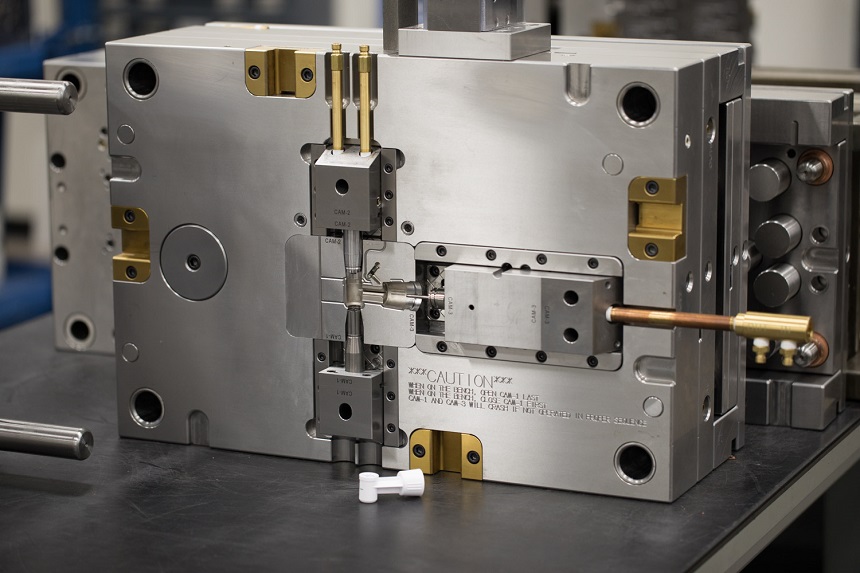
Why Overseas Buyers Struggle with Injection Mold Tooling in China?
For many overseas buyers, sourcing injection mold tooling in China offers clear advantages—competitive pricing, fast lead times, and strong manufacturing capability.
Yet concerns remain:
- Will the mold meet tolerance requirements?
- Can the supplier deliver on time?
- How do I verify factory capability from overseas?
- What if communication issues cause costly mistakes?
These questions are common, especially for buyers in automotive, medical, and consumer electronics industries where precision and reliability are non-negotiable.
This guide provides a complete sourcing framework—plus real industry case studies—to help you identify reliable Chinese mold manufacturers and avoid common pitfalls.
PTMS, with 20+ years of experience, contributes insights based on hundreds of successful tooling projects in the worldwide.
Factory vs. Trading Company: Choosing the Right Partner for Injection Mold Tooling in China
When sourcing injection mold tooling China, the first decision is choosing between working directly with a factory or relying on a trading company, as this choice will greatly influence cost, communication efficiency, and overall project control. Selecting the right supplier type early on helps avoid unnecessary delays, hidden risks, and quality inconsistencies later in the tooling process.
Many overseas buyers underestimate how significantly the supplier category affects mold precision, delivery reliability, and long-term production stability. Understanding the differences between large factories, medium-sized mold shops, and trading companies ensures you choose a partner capable of meeting your technical and commercial expectations.
Large Factories
– Advanced equipment (5-axis CNC, EDM, CMM): High‑precision machines ensure stable accuracy for injection mold tooling projects in China.
– Strong engineering team: Large in-house design teams can manage complex parting lines, cooling systems, and multi-cavity structures.
– Strict quality control systems: ISO-certified workflows guarantee consistent results across multiple mold trials and production cycles.
– Higher pricing: Costs are higher, but the stability and precision often justify the investment for demanding applications.
Medium-Sized Professional Mold Shops
– Balanced cost and performance: These suppliers offer competitive pricing while maintaining solid engineering and machining capability.
– Flexible communication and faster decision-making: Direct access to engineers reduces misunderstandings and speeds up design revisions.
– Capable of most commercial molds: Suitable for automotive, electronics, industrial, and general consumer product tooling.
– Capability varies by supplier: Verification is essential to ensure they can meet your tolerance and complexity requirements.
Trading Companies
– Good communication and customer service: They often respond quickly and communicate clearly with overseas buyers.
– No control over manufacturing: Production is outsourced, increasing risk and reducing transparency during the tooling process.
– Higher chance of inconsistent quality: Different subcontracted factories may produce inconsistent results across batches.
– Limited technical support: They cannot provide in-depth DFM, Moldflow, or engineering troubleshooting when issues arise.
Six Verification Standards for Choosing a Reliable Mold Supplier
When evaluating injection mold tooling suppliers in China, buyers need a clear and objective framework to distinguish capable manufacturers from risky or inexperienced vendors. These six verification standards help ensure the supplier can meet your tolerance, quality, and delivery expectations before any project begins.
Factory Size & Layout
– Factory area (1,500–5,000 m²): A proper facility size indicates stable production capacity and organized workflow.
– Dedicated machining and assembly zones: Clear separation of CNC, EDM, polishing, and mold assembly ensures process control and reduces contamination.
– In-house mold trial area: A supplier with its own testing machines can validate mold performance faster and more accurately.
Machine Capability & Equipment Age
– 5-axis CNC machining centers: These machines deliver high precision for complex geometries and tight tolerances.
– Sodick/Makino EDM systems: Premium EDM equipment ensures cavity accuracy and superior surface finish.
– Zeiss CMM inspection: High-end metrology tools verify dimensional accuracy before mold shipment.
– Machines within 5–7 years: Newer equipment typically provides better stability and repeatability.
Engineering Team Strength
– Experienced mold designers: Skilled engineers can optimize parting lines, cooling channels, and gating systems.
– DFM and Moldflow capability: Engineering analysis helps prevent shrinkage, weld lines, and deformation before cutting steel.
– English-capable project engineers: Clear communication reduces misunderstandings and speeds up decision-making.
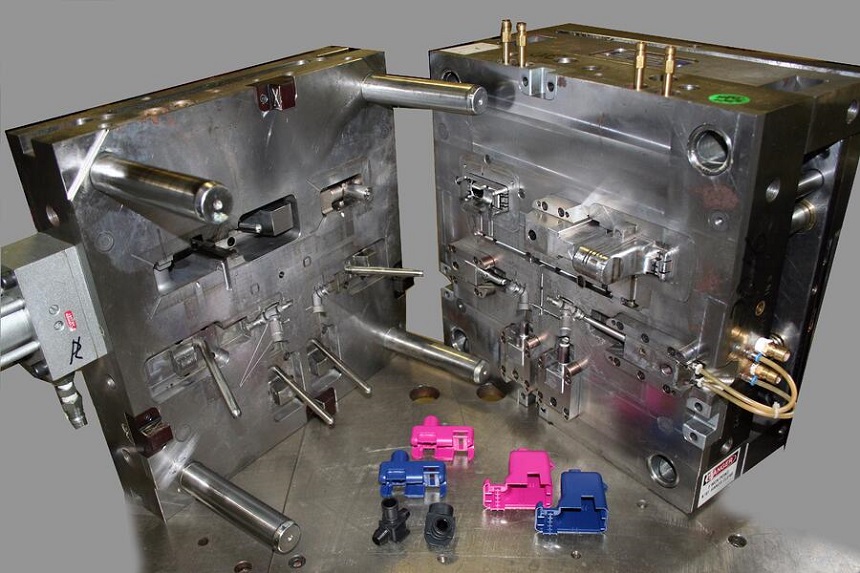
Customer Case Studies
– Automotive tooling experience: Demonstrates ability to handle large molds, long mold life, and strict tolerances.
– Medical tooling experience: Shows capability in high-precision, cleanroom-compatible, and biocompatible materials.
– Consumer electronics tooling: Indicates speed, multi-cavity capability, and high cosmetic standards.
Certifications & Quality Systems
– ISO9001 certification: Ensures standardized processes and consistent quality control.
– Material traceability system: Helps verify steel grade, hardness, and supplier authenticity.
– Documented inspection procedures: Indicates a mature and reliable quality management system.
After-Sales Support & Logistics Capability
– Mold trial videos and reports: Provide transparency and help buyers evaluate mold performance remotely.
– Spare parts and maintenance support: Ensures long-term mold stability and reduces downtime.
– Export packaging and logistics experience: Minimizes risk of damage during international shipping.
Complete Procurement Workflow for Injection Mold Tooling in China
A clear and structured procurement workflow helps overseas buyers manage expectations, reduce risks, and maintain full visibility throughout the tooling process. Understanding each step ensures smoother communication with Chinese suppliers and minimizes delays caused by unclear requirements or technical misunderstandings.
The following workflow reflects the standard process used by professional mold manufacturers and is optimized for transparency, engineering accuracy, and predictable delivery.
Step 1: RFQ (Request for Quotation)
– Provide 3D/2D files and requirements: Clear CAD data, material specs, surface finish, and expected volume help suppliers quote accurately.
– Share special features or critical dimensions: Highlighting key tolerances early prevents design conflicts later.
– Include mold usage plan (export or production in China): This affects steel selection, mold life, and cost structure.
Step 2: Supplier Quotation
– Detailed cost breakdown: A professional supplier provides mold cost, part price, steel grade, and cavity number.
– Lead time estimation: Clear timelines help buyers plan product launches and downstream production.
– Mold structure proposal: Gate type, cooling layout, and parting line suggestions indicate engineering capability.
Step 3: DFM & Moldflow Analysis
– DFM review: Identifies potential issues such as sink marks, weld lines, and ejector conflicts before steel cutting.
– Moldflow simulation: Predicts flow balance, cooling efficiency, and filling behavior for complex parts.
– Design optimization: Early adjustments reduce rework and improve mold performance.
Step 4: Sample Production (T1 → T2 → T3)
– T1 samples: First shots used to verify basic functionality and mold structure.
– T2 samples: Adjustments made to improve dimensions, surface finish, and part consistency.
– T3 samples: Final approval stage before mass production or mold shipment.
Step 5: Mass Production or Mold Export
– Production in China: Ideal for buyers who want lower part cost and stable long-term supply.
– Mold export: Requires proper packaging, steel certificates, and full documentation for overseas installation.
– Trial reports included: Ensures the buyer understands mold performance before shipment.
Step 6: Final Documentation & Handover
– Steel and hardness certificates: Verify authenticity and durability of mold materials.
– 2D/3D mold drawings: Provide full transparency for future maintenance or modifications.
– Spare parts list: Helps buyers maintain long-term mold stability and reduce downtime.
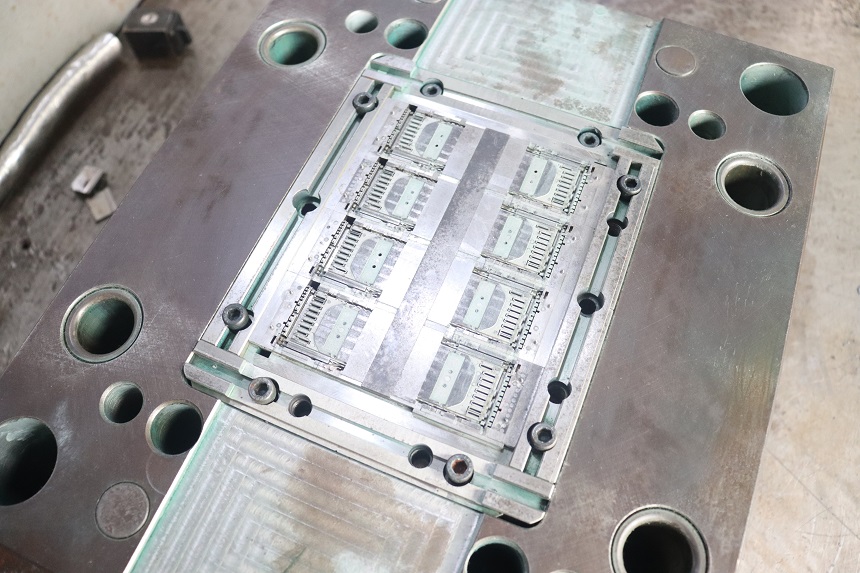
PTMS Capabilities: Why Global Buyers Trust Us?
Selecting a reliable partner for injection mold tooling in China requires more than just competitive pricing—it demands proven engineering capability, advanced equipment, and a track record of delivering precision molds across multiple industries. PTMS has built its reputation by combining strong technical expertise with modern manufacturing systems that meet the expectations of demanding overseas clients.
With over 20+ years of experience and a team of skilled engineers, PTMS provides end-to-end support from DFM to mold trials, ensuring every project meets strict tolerance, cosmetic, and durability requirements.
Core Strengths of PTMS
– 20+ years of industry experience: Long-term specialization in injection mold tooling ensures stable processes and mature engineering workflows.
– 50+ skilled engineers and technicians: A strong technical team supports complex mold structures, multi-cavity layouts, and precision-critical applications.
– ISO9001-certified quality system: Standardized procedures guarantee consistent quality and traceability throughout the entire tooling process.
– Advanced machining equipment: 5-axis CNC, Sodick EDM, and Zeiss CMM enable high-precision machining and accurate dimensional verification.
– Fast engineering response: DFM feedback within 3 days and mold trial cycles as fast as 7 days accelerate project timelines.
– Proven overseas customer base: Experience serving 20+ clients in Europe, the USA, and other regions demonstrates global reliability.
– High-precision mold capability: Able to achieve tolerances down to ±0.01 mm for medical and electronics applications.
– Comprehensive documentation and transparency: Full mold drawings, steel certificates, and trial reports ensure complete project visibility.
Representative PTMS Case Highlights
– Medical mold (syringe / device housing): Achieved ±0.01 mm tolerance with mirror EDM finish for cleanroom-compatible applications.
– Automotive mold (bumper / dashboard): Delivered long-life tooling exceeding 1,000,000 shots with optimized cooling for shorter cycle times.
– Consumer electronics mold (phone case / wearable device): Produced multi-cavity molds with high cosmetic standards and fast cycle efficiency.
– Industrial and custom parts: Supported low-volume and high-volume tooling with stable repeatability and strong material compatibility.
Common Challenges & Technical Solutions in Injection Mold Tooling
Even with a well-designed mold and a capable supplier, injection molding projects often encounter technical challenges that affect part quality, cycle time, and long-term stability. Understanding these common issues helps buyers evaluate whether a supplier has the engineering depth to prevent or resolve them effectively.
PTMS addresses these challenges through DFM analysis, Moldflow simulation, optimized tooling design, and precise machining processes, ensuring stable performance across multiple industries.
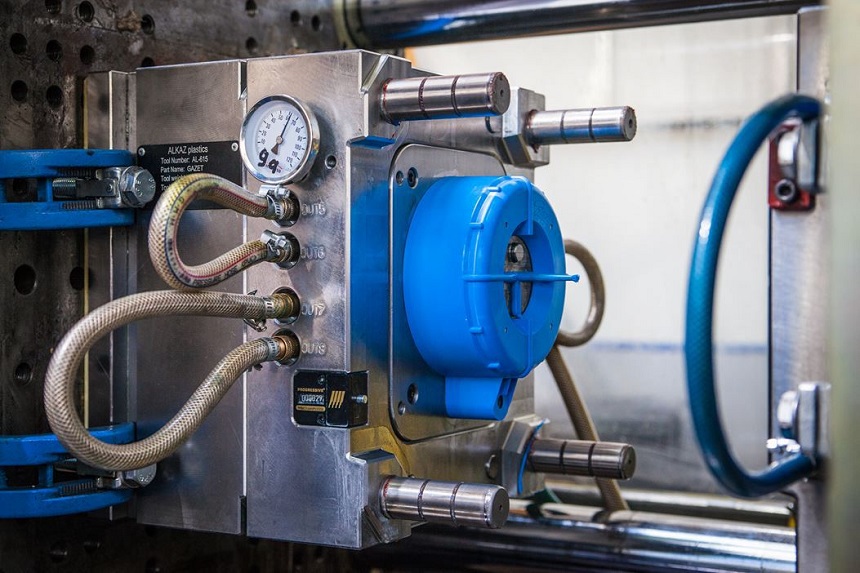
Typical Issues and How PTMS Solves Them
– Shrinkage: Uneven wall thickness, improper cooling, or material selection can cause dimensional deviations.
PTMS uses optimized cooling layouts and material-specific shrinkage compensation to maintain dimensional accuracy.
– Weld lines: Poor gate placement or unbalanced flow can create weak or visible weld lines on the part surface.
PTMS adjusts gate design and flow paths using Moldflow to minimize weld line visibility and improve strength.
– Air traps and burn marks: Insufficient venting or improper injection speed may trap air inside the cavity.
PTMS improves venting design and fine-tunes injection parameters to eliminate burn marks and air pockets.
– Deformation and warpage: Uneven cooling or structural imbalance can cause parts to bend or twist.
PTMS optimizes rib design, wall thickness, and cooling channels to ensure stable part geometry.
– Surface defects: Flow marks, drag lines, or gloss inconsistencies often result from tooling finish or mold temperature.
PTMS applies mirror EDM, high-polish finishing, and precise temperature control to achieve consistent cosmetic quality.
– Short shots: Insufficient filling caused by gate restrictions or low injection pressure.
PTMS redesigns gate size, runner balance, and injection parameters to ensure complete cavity filling.
– Flash issues: Excessive mold wear or poor clamping force can cause material leakage along the parting line.
PTMS maintains tight machining tolerances and ensures proper mold alignment to prevent flash formation.
Final Insights & Next Steps
Choosing the right partner for injection mold tooling in China requires a clear understanding of supplier capability, engineering depth, and process transparency. With the right manufacturer, buyers can achieve better cost efficiency, faster lead times, and higher product reliability across automotive, medical, and consumer electronics applications.
PTMS combines advanced equipment, experienced engineers, and proven case studies to support global clients with stable, high-precision tooling solutions. Whether you need a complex multi-cavity mold or a fast-turnaround prototype tool, PTMS provides the technical foundation and project visibility required for successful production. Choosing the right partner for injection mold tooling in China requires a clear understanding of supplier capability, engineering depth, and process transparency. With the right manufacturer, buyers can achieve better cost efficiency, faster lead times, and higher product reliability across automotive, medical, and consumer electronics applications.
PTMS combines advanced equipment, experienced engineers, and proven case studies to support global clients with stable, high-precision tooling solutions. Whether you need a complex multi-cavity mold or a fast-turnaround prototype tool, PTMS provides the technical foundation and project visibility required for successful production.
Why PTMS is a Trusted Tooling Partner?
– Comprehensive engineering support: From DFM to Moldflow, PTMS ensures every design is optimized before steel cutting.
– High-precision machining capability: Advanced CNC, EDM, and CMM systems deliver consistent accuracy for demanding applications.
– Fast and transparent project execution: Clear timelines, structured reporting, and rapid trial cycles keep projects on schedule.
– Proven results across industries: Automotive, medical, and electronics case studies demonstrate PTMS’s ability to meet global standards.
– Reliable long-term support: Full documentation, spare parts, and responsive after-sales service ensure stable mold performance.
Next Steps to Start Your Project
– Upload your CAD files: Receive a 24-hour quotation and free DFM evaluation for your injection mold tooling project in China.
– Request the PTMS capability matrix: Compare PTMS against other suppliers using objective engineering and equipment criteria.
– Contact our technical team: Get expert guidance on tooling design, material selection, and production planning.
Authoritative References
- “Injection Molding Basics” – Society of Plastics Engineers (SPE)
https://www.4spe.org/i4a/pages/index.cfm?pageid=3284
- “Introduction to Manufacturing Processes” – MIT Open Course Ware
https://ocw.mit.edu/courses/2-008-design-and-manufacturing-ii-spring-2004/pages/lecture-notes/
- “Dimensional Metrology and Tolerancing” – NIST (National Institute of Standards and Technology)
https://www.nist.gov/pml/dimensional-metrology
- “Metal Casting and Mold Design Fundamentals” – ASM International
https://www.asminternational.org/materials-resources
- “Plastics Material Data and Processing Guide” – Polymer Science Learning Center (University of Southern Mississippi)
https://pslc.ws/macrog/plastic.htm
- “Quality Management Principles (ISO 9001)” – International Organization for Standardization (ISO)
https://www.iso.org/iso-9001-quality-management.html
- “Automotive Engineering Standards for Tooling & Plastics” – SAE International
https://www.sae.org/standards/
- “Manufacturing Process Optimization & Supplier Evaluation” – APQC (American Productivity & Quality Center)