
China’s Top Plastic Injection Molding Manufacturer: PTMS ISO-Certified Custom Parts Solution
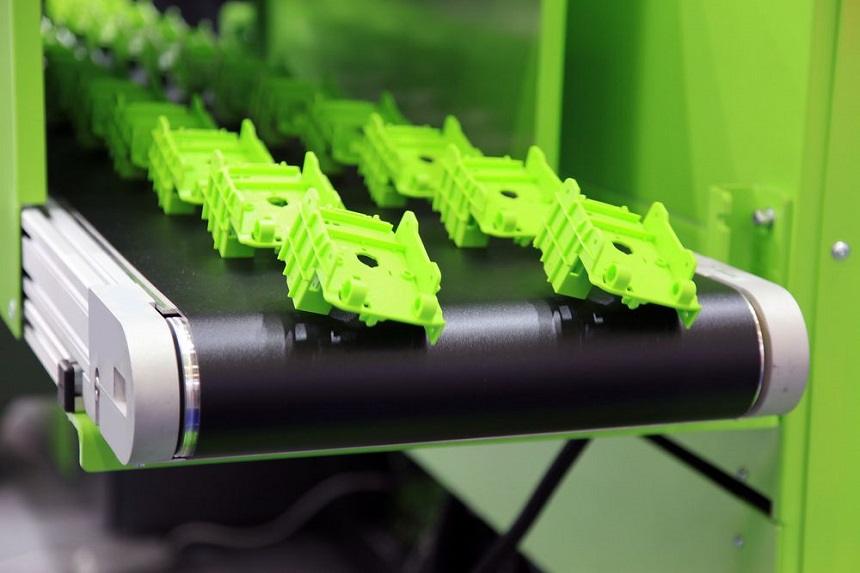
What makes a plastic injection molding manufacturer reliable?
Plastic injection molding manufacturers transform your design into high-volume, precision parts through a process that melts plastic resin, injects it into an injection mold under high pressure, and cools it into final shape. Buyers always ask how to identify injection molding manufacturers who deliver consistent quality, fast lead times, and cost-effective solutions without compromising on tolerances or material performance.
Key reliability indicators:
– ISO 9001 certification and quality management systems.
– Multiple production facilities for mold making, injection molding, and assembly.
– Experience across industries like automotive, medical, consumer electronics.
– Transparent quoting with no hidden tooling or maintenance costs.
– Full-service from design review to final assembly and packaging.
Experience matters most to buyers
When evaluating injection molding manufacturers, the first question is always “How much experience do you have with parts like mine?” Seasoned plastic injection molding manufacturer teams understand material behavior, mold design nuances, and process optimization that prevent costly defects.
What experienced injection molding manufacturers offer:
– Decades of production with thousands of molds completed.
– In-house mold shop to control quality and lead time.
– Knowledge of 100+ engineering resins from ABS to PEEK.
– Proven track record in high-cavitation, tight-tolerance parts.
– Ability to handle complex geometries and undercuts.
Material selection questions answered
Buyers frequently ask injection moulding manufacturers, “Which plastic is best for my application?” The right plastic injection molding manufacturer guides you through tradeoffs between cost, strength, chemical resistance, and environmental factors.
Common material questions and answers:
- What’s the difference between commodity and engineering plastics?
– Commodity plastics (PP, PE, PS) cost less but have lower performance.
– Engineering plastics (PC, nylon, POM) offer superior strength and heat resistance.
- Can you process high-temperature or filled materials?
– Yes, experienced injection molding manufacturers handle glass-filled nylon, TPEs, and fluoropolymers.
- How do you ensure material consistency across batches?
– Full traceability with certificates of analysis and incoming inspection protocols.
Material categories available:
– Commodity: PP, HDPE, LDPE, PS, PVC
– Engineering: ABS, PC, PA, POM, PBT, PET
– High-performance: PEEK, PPS, PEI, LCP
– Elastomers: TPE, TPU and etc.
Lead time expectations for production
Production timeline is a top concern: “How fast can your plastic injection molding manufacturer deliver my first parts?” Lead times vary by complexity, but top injection molding manufacturers optimize every step.
Typical lead time breakdown:
– Mold design and DFM review: 1-2 weeks
– Tooling fabrication: 3-6 weeks for standard molds
– T1 sample approval: 1 week after tool completion
– Mass production startup: 1-2 weeks
– Total from PO to first shipment: 6-10 weeks
Factors affecting speed:
– Part complexity and cavity count
– Mold steel quality and CNC capability
– Customer responsiveness during approvals
– Existing mold bases vs. new construction
– Volume requirements and machine availability
Cost structure transparency
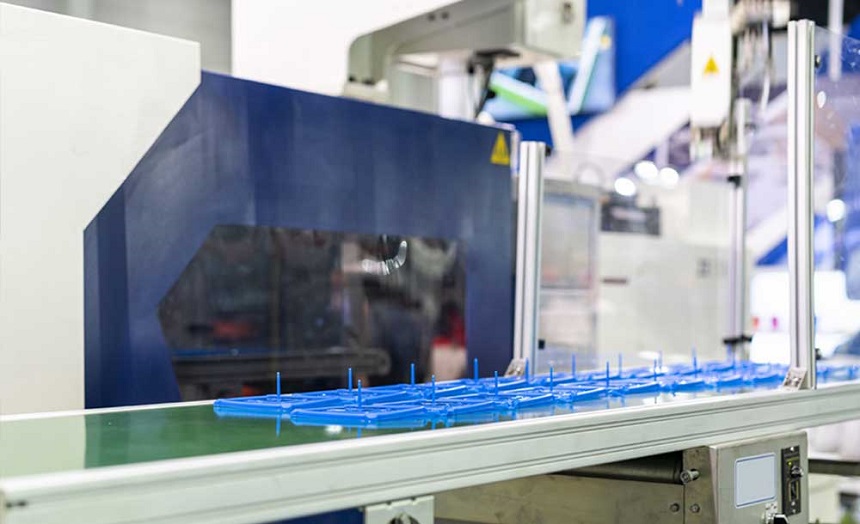
Buyers always ask injection molding manufacturers, “Why are tooling costs so high, and what drives per-part pricing?” Understanding the full cost breakdown prevents surprises and builds trust with transparent plastic injection molding manufacturer partners.
Cost components explained:
- Tooling investment (60-80% of initial cost)
– Mold steel, design engineering, CNC machining
– Cavitation level determines per-part tooling amortization
- Material costs (20-40% of part price)
– Engineering resins cost 3-10x commodity plastics
– Colorants, additives increase pricing
- Production expenses (per-part basis)
– Cycle time, machine hourly rate, labor
– Secondary operations like texturing, assembly
- Quality control and packaging
– Inspection, CMM measurement, cleanroom packing
Quality control processes buyers demand
“What quality checks do injection molding manufacturers perform?” is a universal question. Leading plastic injection molding manufacturer implements multi-stage inspection from resin receipt through final shipment.
Standard quality procedures:
– Incoming material verification with MTRs
– First Article Inspection (FAI) per ISO standards
– In-process SPC charting for critical dimensions
– 100% visual inspection for surface defects
– Final CMM or vision system validation
– Random sampling per AQL levels
Common defects prevented:
– Short shots from insufficient pressure
– Sink marks from uneven cooling
– Warpage from improper gate design
– Flash from excessive clamp tonnage
– Burn marks from trapped gas
Comparison: In-house vs. outsourcing to injection molding manufacturers
Buyers debate whether to build internal capability or partner with specialized injection molding manufacturers. This table helps evaluate when outsourcing to a plastic injection molding manufacturer makes sense.
| Factor | In-House Production | Outsourced to Injection Molding Manufacturers |
| Upfront Investment | High (machines + tooling) | Low (tooling only) |
| Production Flexibility | Limited by machine size | Wide range of tonnages available |
| Material Variety | Limited inventory | 100+ resins immediately available |
| Engineering Support | Internal engineering required | DFM expertise included |
| Scalability | Capital-intensive expansion | Volume flexibility |
| Quality Consistency | Operator-dependent | Process-controlled |
| Best For | Constant high volume | Product development, variable demand |
Mold design and DFM review process
“How does your plastic injection molding manufacturer handle design for manufacturability?” is crucial. Top injection molding manufacturers provide expert DFM analysis to optimize part design before tooling investment.
DFM review checklist:
- Wall thickness uniformity (1.5-3mm ideal range)
- Draft angles for easy release (0.5-2° typical)
- Undercut elimination or side-action feasibility
- Gate location optimization
- Ejector pin placement avoiding visible marks
- Cooling channel design for uniform temperature
- Material flow analysis via Moldflow simulation
Benefits of early DFM:
– 30-50% reduction in tooling costs
– 25% faster cycle times
– Elimination of 80% common molding defects
– Improved cosmetic appearance
Production challenges and solutions
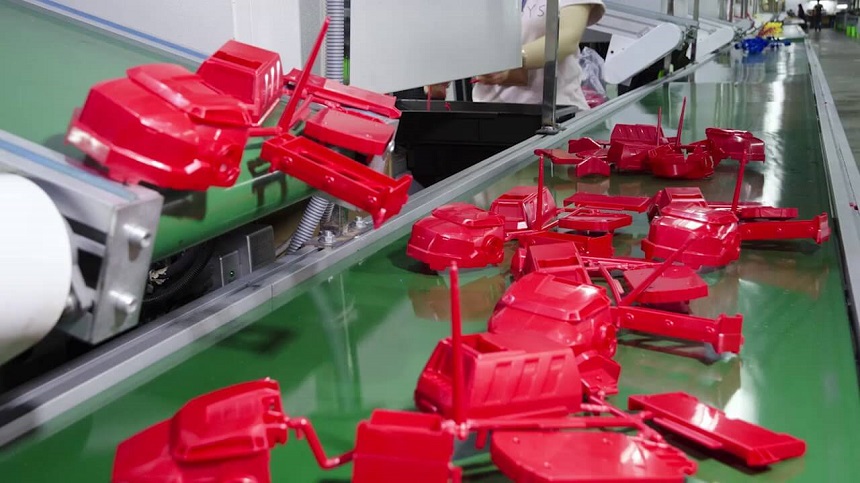
Buyers want to know, “What problems do injection molding manufacturers encounter, and how do you solve them?” Experienced plastic injection molding manufacturer anticipates issues through process control and rapid response.
Common challenges addressed:
– Warpage: Optimized cooling and packing pressure
– Sink marks: Thicker ribs, adjusted gate size
– Short shots: Higher injection speed, barrel temperature
– Flash: Clamp force verification, mold alignment
– Color variation: Consistent drying and dosing
Process optimization tools:
– Cavity pressure transducers
– Real-time thermal imaging
– Automated vision inspection
– DOE (Design of Experiments) methodology
Case study: Automotive component success
A leading plastic injection molding manufacturer recently helped an automotive supplier transition from metal to plastic injection molded engine covers, answering key questions about volume scalability and quality consistency.
Project outcomes:
– Annual volume: 2.5 million parts
– Cycle time reduced from 45 to 28 seconds
– 98.7% first-pass yield achieved
– 42% cost reduction vs. aluminum die casting
– PP+30% glass fiber material selected
– 64-cavity mold with hot runner system
Customer feedback:
“The injection molding manufacturer’s DFM recommendations saved us $180K in tooling modifications. Their process controls delivered automotive PPAP approval on first submission.”
Client testimonial highlights
Real-world results speak volumes when buyers ask injection molding manufacturers for proof of performance.
Satisfied customer quotes:
– “Their plastic injection molding manufacturer capabilities exceeded expectations. We achieved production three weeks ahead of schedule.”
– “The 128-cavity tool runs flawlessly at 18-second cycles. Defect rate under 200 PPM.”
– “Full assembly line integration reduced our logistics costs by 27%.”
Certifications buyers verify
“What certifications do your injection molding manufacturers hold?” is non-negotiable for regulated industries. Leading plastic injection molding manufacturer maintains multiple accreditations.
Essential certifications:
– ISO 9001:2015 Quality Management
– ISO 13485 Medical Device Manufacturing
– IATF 16949 Automotive Production
– ISO 14001 Environmental Management
– UL certification for electrical components
– ITAR compliance for defense applications
Audit readiness:
– Documented SPC and FMEA processes
– Traceability from resin to finished part
– Annual third-party surveillance audits
– Corrective action systems
Capacity and scalability planning
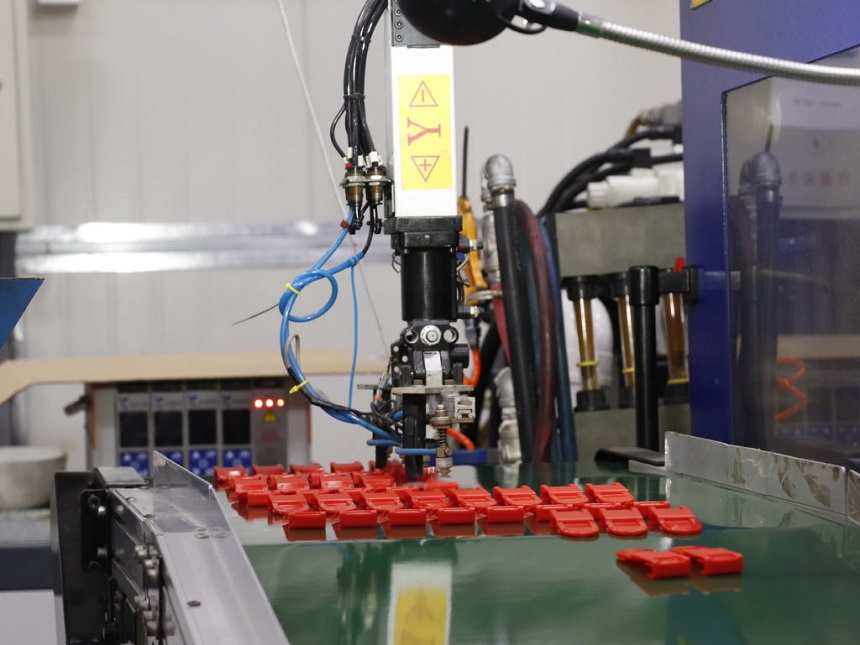
Buyers ask injection molding manufacturers, “Can you handle my volume growth?” Top plastic injection molding manufacturer offers flexible capacity across multiple tonnage ranges.
Machine tonnage breakdown:
– Micro: 60-90 tons (small precise parts)
– Small: 100-300 tons (consumer products)
– Medium: 350-800 tons (automotive, appliances)
– Large: 1000+ tons (industrial housings)
– Multiple facilities prevent single-point failure
Scalability features:
– Family tooling for volume expansion
– Multi-cavity progression
– Secondary decoration capabilities
– Automated assembly integration
Surface finish and secondary operations
“How do injection molding manufacturers achieve high-quality surface appearance?” is critical for consumer-facing parts. Leading plastic injection molding manufacturer offers comprehensive finishing options.
Available finishes:
– Mold tech textures (MT11000 series)
– VDI standard EDM finishes
– SPI polishing grades 1-5
– Laser etching for branding
– Pad printing and hot stamping
Secondary processes:
– Ultrasonic welding
– Vibration/Spin welding
– Overmolding multi-material parts
– Threaded insert molding
– In-mold labeling
Sustainability practices buyers’ value
Modern buyers ask injection molding manufacturers about environmental responsibility. The leading plastic injection molding manufacturer implements green initiatives without compromising performance.
Sustainability measures:
– Recycled content resin qualification
– Energy-efficient servo drives
– Closed-loop water cooling systems
– Material waste recycling programs
– Low-VOC mold release agents
Life cycle assessment:
– 75% energy reduction with all-electric machines
– 90% material utilization rates
– Carbon footprint tracking per part
– RoHS and REACH compliance
Partner with China’s Premier Injection Molding Manufacturer
For engineering managers and procurement teams seeking a plastic injection molding manufacturer who delivers on quality, speed, and partnership, PTMS stands as China’s leading choice. With ISO9001-2008 certification, six specialized facilities, and two decades of one-stop service from mold design to assembly, PTMS eliminates sourcing complexity while maximizing value.
Why procurement leaders choose PTMS:
– Complete vertical integration across injection mold making, injection molding, silicone molding, die-casting, metal stamping and assembly
– Proven track record serving global industries with complex, high-volume requirements
– Transparent processes ensuring first-time quality and on-time delivery
– Engineering expertise that turns challenges into competitive advantages
Authoritative Sources
For procurement professionals seeking deeper technical validation:
Recommended references:
– MIT Polymer Processing Lab: Injection molding research (https://dmse.mit.edu/research/polymer-processing)
– U.S. Department of Commerce Manufacturing Extension: Injection molding best practices (https://www.nist.gov/mep)
– Plastics Engineering Handbook (SPE): Industry standards (https://www.4spe.org/publications)
– Journal of Manufacturing Science and Engineering: Process optimization studies (https://asmedigitalcollection.asme.org/manufacturingscience)